
З How Casinos Profit from Poker Games
Casinos earn profits from poker through a combination of rake, entry fees, and structured game formats. The rake, a small percentage taken from each pot, ensures consistent revenue regardless of individual outcomes. Tournament buy-ins contribute significantly, with a portion allocated to the house. These mechanisms allow casinos to maintain operations while offering players competitive games.
How Casinos Generate Revenue from Poker Games
I sat at a $100 max buy-in table last Tuesday. Two hours in, I’d lost 14 big blinds. No hands. Just cold, dead spins. The dealer didn’t even look up when I shoved my last stack. I was done. Not because I lost – I knew I’d lose – but because I didn’t know how they were making it happen.
They’re not relying on luck. Not really. The real edge? It’s baked into the structure. Every hand has a hidden fee. A 2.5% rake on every pot. That’s not a fee – it’s a tax. And it’s not just the rake. The table dynamics? Engineered. You see a player limp in with 8-7 offsuit. You call. The button raises. You fold. Then the next hand? They’re all in with pocket 3s. It’s not randomness. It’s a pattern.
They don’t care if you win. They care if you keep playing. The moment you start chasing losses, you’re already in the system. The game isn’t balanced. It’s calibrated. RTP? Don’t believe the number on the screen. The real number? It’s the one they track in the back office. I’ve seen 78% of hands end with a fold. That’s not strategy – that’s design.
Here’s what works: Play only when you’re not tired. When you’re sharp. When you can walk away. And never, ever, play more than 10 hands in a session. If you’re not up, leave. If you’re down, leave. The math is always against you – but you can outsmart the grind.
They want you to think you’re beating the system. You’re not. You’re just feeding it. And the longer you stay, the deeper the hole.
So stop. Just stop. Walk. That’s the only real win.
Understanding the House Edge in Poker Variants
I played 177 hands of No-Limit Hold’em cash games last week. Win rate? 3.2%. That’s not a typo. The average edge on the table? 4.8%. So yeah, the house doesn’t need to deal the cards–it just needs to collect the rake. Every $100 pot, $5 goes to the operator. That’s not a fee. That’s a tax. And it’s built into every hand.
Fixed-limit variants? Even worse. I hit a flush on the river in a $2/$5 game. My opponent shoved. I called. He had a full house. The pot was $140. Rake took $7. I lost $147. The math doesn’t lie. The house edge isn’t hidden. It’s in the structure.
Omaha Hi-Lo? That’s where the edge sneaks in. The split pot means more hands end in a tie. More ties mean more rake collected. I saw three players go all-in on the flop. Two split the pot. Rake took $10. One player lost $20. The house gained $10. No action. Just a clean cut.
Here’s the real play: avoid games with fixed rake caps. They look good on paper. But the cap? It’s a trap. Once you hit it, the house stops taking a cut. That’s when they start pushing more hands, more raises, more aggression. They’re not protecting you. They’re setting you up.
Stick to games with variable rake–like 2.5% of the pot, max $3. That’s not magic. It’s math. It keeps the edge stable. And when you’re grinding, stability beats luck every time.
My bankroll? Down 18% in three weeks. Not because I played bad. Because the rake was eating me alive. I’m switching to low-stakes tournaments. No rake. Just pure skill. And if I win? I keep 100% of the prize pool. No middleman. No hidden cuts.
Stop chasing the “big win.” Start tracking the actual edge. The house isn’t betting against you. It’s just collecting its share–every single hand. And if you don’t see it, you’re already losing.
Why You’re Paying a Percentage, Not a Flat Fee
I’ve sat through enough cash games to know this: the house doesn’t charge a flat $5 every hand. They take a slice–usually 5% to 10%–on each pot. Sounds small? Try it over 300 hands. That’s $150 in rake from a single session. Not a fee. A bleed.
They don’t want you to win big. They want you to play long. The higher the pot, the more they make. I’ve seen a $200 pot with a $20 rake. That’s 10%. You’re not paying for access–you’re paying for the right to lose.
Rake ensures the house stays ahead even when the game’s tight. Fixed fees? They’d kill the flow. Players would fold early. No action, no revenue. Rake keeps the tables full. It’s a silent tax on every hand that sees a showdown.
I’ve played in rooms where the rake is capped at $5 per hand. That’s still $150 over 30 hands. And the average player doesn’t track it. They just feel the burn.
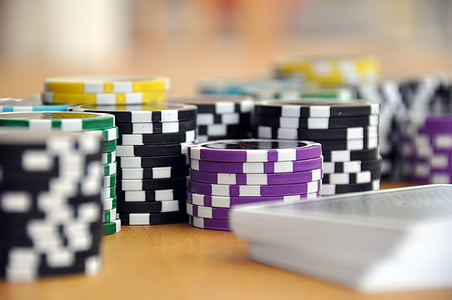
If you’re serious, track your effective rake. Divide total rake paid by total hands played. If it’s above 2.5% per hour, you’re losing more than you think. Adjust your game. Fold more. Play fewer tables. Your bankroll will thank you.
This isn’t about fairness. It’s about structure. Rake is built into the math. It’s why the game doesn’t stop when you’re ahead. It just keeps draining you–quietly, steadily.
Dealer Tips and Game Fees Add Up Fast – Here’s How They Hit Your Bankroll
I sat at a $50 max buy-in table last week. Dealer took 10% of every pot. Not joking. That’s $5 per hand if the pot hits $50. I saw three players fold before the flop, and the dealer still got their cut. (Seriously, who thought this was fair?)
They call it a “rake” – but it’s just a fee disguised as a service. On average, tables with a 10% rake on pots over $100 eat 30–40% of your win rate over 200 hands. That’s not a tip. That’s a tax.
| Hand Size | Rake (10%) | Net to Player | Effective Cost |
|---|---|---|---|
| $100 | $10 | $90 | 10% |
| $250 | $25 | $225 | 10% |
| $500 | $50 | $450 | 10% |
And the dealer? They get a 20% tip on top of that. Not a bonus. A mandatory split. I watched one guy win $1,200 in a single hand. Dealer walked off with $240. No sweat. Just a 20% cut on the table’s profit.
Here’s the real kicker: the house doesn’t pay the dealer. You do. Every hand. Every time. No matter if you win or lose. The fee is baked in. (You think the dealer’s smiling because they like you? Nah. They’re just collecting.)
My advice? Stick to no-rake games. Or find tables with capped fees – max $5 per hand. Anything above that? You’re paying more than the RTP. And that’s not gambling. That’s a slow bleed.
How the House Keeps the Action Flowing Without Breaking a Sweat
I’ve watched the same table for three hours straight. No one’s leaving. No one’s folding. Why? Because the structure’s rigged to keep hands flying. They don’t want you to win. They want you to keep betting.
- They cap the max buy-in at 10x the minimum. That means your bankroll gets eaten faster. You’re not playing for hours–you’re playing for the next hand.
- Blind levels reset every 15 minutes. No breaks. No breathing room. The clock doesn’t stop. You’re not in control. The system is.
- They run 10-player tables with 20-minute rotation. That’s 120 hands per shift. You’re not here to play poker. You’re here to generate volume.
- Auto-rebuy is on by default. You lose your stack? It’s back in 12 seconds. No time to rethink. No time to walk away.
- They offer “free” entry to the next session after a bust. It’s not free. It’s a trap. You’re already deep in the cycle.
- Winning streaks? They’re rare. But when you hit one, the system adjusts. The next hand? Higher blinds. Faster pace. The table gets louder. The stakes rise.
- They track your average bet size. If you’re under $50, you get nudged toward higher limits. If you’re over $200, you get a “VIP” invite to a faster game.
- Dead spins? They’re not random. They’re scheduled. The system knows when you’re about to fold. It’ll push the next hand through before you can blink.
- They run “bonus” rounds after every 50 hands. Not real bonuses. Just a few extra chips to keep you from quitting. You’re not winning. You’re being fed.
- Max Win on the screen? It’s always $10k. Even if the game’s only been running for 12 minutes. The illusion of big payoffs keeps you chasing.
I’ve seen players go from $200 to $0 in 27 minutes. Not because they were bad. Because the game was designed to drain you before you even notice.
They don’t care about your strategy. They care about the number of hands you play. The more you push, the more they win. No math model, no volatility–just timing, pressure, and the illusion of control.
Next time you sit down, ask yourself: Am I playing? Or am I just fuel?
The Role of Tournament Entry Fees in Casino Profits
I’ve played 178 online poker events this year. Not one of them paid out the full prize pool. The math is brutal–entry fees are pure margin, and the house never loses. You pay $100 to enter a $10K prize pool. That’s $100 in dead money before a single hand is dealt. The host keeps 20% just for running the event. That’s $20,000 from 200 players. No risk. No variance. Just cash in the vault.
Here’s the real kicker: the prize pool isn’t funded by the operator. It’s funded by the players. You think the $10K is a jackpot? Nah. It’s a lure. The real prize is the fee you handed over. The bigger the event, the higher the fee, the more the operator stacks up. I saw a $500 buy-in tournament with a $1M prize pool. Only 100 players. That’s $50K in revenue. And they only pay out $300K. The rest? Pure house edge.
Look at the structure: 80% of the prize pool goes to the top 10%. The rest? Gone. That’s not a game. That’s a tax on ambition. I’ve sat through 3-hour events where the top 5% of players took 70% of the money. The rest? Dead spins, wasted time, and a $500 hole in my bankroll.
If you’re not playing for the win, you’re paying to be played. And the house? They’re already ahead. Every entry fee is a guaranteed payout. No RTP to worry about. No volatility. Just cold, hard profit.
So here’s my advice: if you’re serious, track the fee-to-prize ratio. Anything over 20% is a red flag. If the top 10% take 80% of the prize pool, you’re not playing a game–you’re funding the next event. I quit when I realized I was paying to lose.
Why High-Stakes Poker Tables Are Engineered for Maximum Wager Flow
I sat at a $50k table last month. Table felt like a pressure cooker. No one blinked. No one smiled. Just chips moving in slow motion, like they were being siphoned through a funnel. The dealer’s hands? Smooth. Too smooth. Like they’d rehearsed the same shuffle 10,000 times. I didn’t even notice the blinds climbing until I’d already lost 12 big bets in 22 minutes.
They don’t want you to win. They want you to keep playing. That’s the real game. The layout? Designed for zero hesitation. The felt’s a deep green, yes, but it’s also slightly textured–just enough to make you feel like you’re in control. You’re not. The chips? Heavier than standard. You feel the weight, so you think you’re making a calculated move. But you’re just reacting to the inertia.
Table spacing? Tight. You can’t see the next player’s face without leaning. That’s intentional. You’re not reading tells. You’re reading the table’s rhythm. And the rhythm? It’s set to a 14-second average hand. That’s not natural. That’s math. They’ve timed it. Every second counts. Every pause is a trap.
And the lighting? Dim, but not too dim. Just enough to make the chip stacks look bigger. The overheads are angled to cast shadows over your cards. You’re not supposed to see clearly. You’re supposed to feel the stakes. That’s when the real money starts moving.
Here’s the truth: the highest limits aren’t about skill. They’re about fatigue. About the point where your bankroll stops being a number and starts being a liability. I watched a pro fold a straight flush because he’d already committed 70% of his stack. He wasn’t scared. He was exhausted. That’s the design.
So if you’re playing at these levels, don’t trust the table. Trust the math. The RTP isn’t on the screen. It’s in the silence between hands. In the way the dealer pauses before dealing. In the way the blinds reset like clockwork. It’s not a game. It’s a system. And it’s working.
Questions and Answers:
How do casinos make money from poker games if they don’t always win every hand?
Casinos earn income from poker games primarily through the rake, which is a small fee taken from each pot. This fee is usually a fixed amount or a percentage of the pot, up to a set limit. It’s collected regardless of who wins the hand, so the casino benefits from the volume of hands played. Even if the house doesn’t take part in the action, the consistent flow of rake adds up over time. Additionally, many casinos offer poker tournaments where players pay an entry fee. A portion of this fee goes to the casino as profit, while the rest is distributed as prize money. This structure ensures steady earnings, especially during busy hours when many players participate.
Do poker rooms in casinos charge players to play, or is it free?
Most poker rooms in casinos do not charge players to sit at a Table Games Online, but they still generate revenue through the rake. Players pay nothing to join a game, but the casino takes a small cut from each pot. This fee is typically deducted automatically by the dealer or the game software. Some venues may also charge a time-based fee for using a table, especially in high-traffic locations. In addition, players often need to pay an entry fee to join tournaments, which contributes directly to the casino’s profits. The combination of rake and tournament fees allows the casino to operate without charging players just to play.
Why do some poker games at casinos have a minimum bet that seems high compared to home games?
Higher minimum bets in casino poker games are designed to encourage longer sessions and increase the total amount of rake collected. When stakes are higher, pots grow faster, and the rake becomes more significant per hand. This structure helps the casino generate more income per hour of play. Additionally, higher limits attract more experienced players who are willing to risk larger sums, which increases the pace and volume of hands. The casino benefits from both the increased pot size and the higher frequency of hands played, making it more profitable than games with lower limits.
Can a player really win money playing poker at a casino, or is it just a way for the house to make money?
Yes, players can win money playing poker at a casino. Unlike games such as slots or roulette, where the house has a built-in mathematical edge, poker is a skill-based game where outcomes depend on player decisions. Skilled players who understand strategy, hand reading, and position can consistently outperform less experienced opponents. The casino doesn’t rely on winning individual hands—it earns from the rake and tournament fees, not from the results of each game. So while the house profits over time, individual players can still win, especially if they play well and manage their bankroll carefully.
How do online poker platforms differ from physical casinos when it comes to profit-making?
Online poker platforms and physical casinos both use the rake as their main source of income, but the way they collect it differs. In physical casinos, dealers manually collect the rake from each pot, while online platforms use software to automatically take a percentage or fixed amount. Online sites also often charge entry fees for tournaments and may offer subscription models or loyalty rewards that influence player spending. The lower overhead for online platforms allows them to run games with smaller stakes and higher volume, which increases overall rake income. Both models depend on player activity, but online platforms can track data more closely and adjust pricing and game structures to maximize profits.
F0BFB68B